PEER LEARNING VISITS
How are these enacted?
The purpose of this learning round is threefold: firstly, to enhance pedagogical practice through critical, collaborative enquiry; secondly, to improve student learning within a desired area of classroom practice; and thirdly, to develop a school culture founded on collegiality, trust and a commitment to collective improvement.
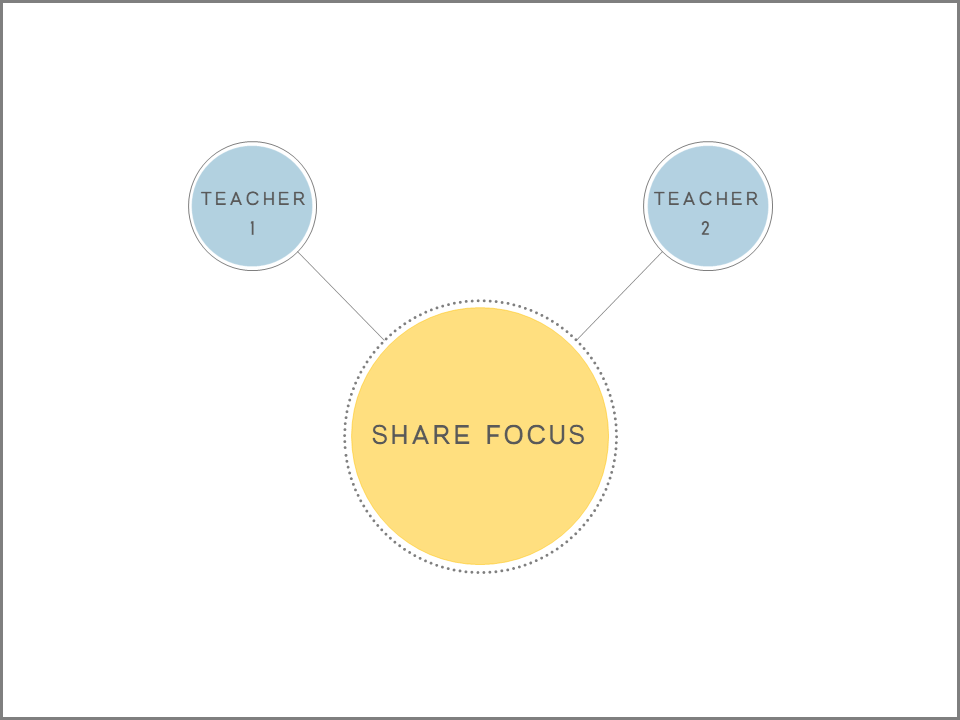
Phase 1: Agree Focus for Peer Observation
Teachers meet to decide a focus for peer observation and agree criteria to inform peer feedback. Teachers may choose to employ a common approach or strategy and implement this in their respective classes for critical consideration by their peer. Alternatively, teachers may decide to plan a lesson together and co-teach this (team teaching can be particularly effective as part of an interdisciplinary approach to learning). Ultimately, the form and focus peer visits take is determined by participating teachers.
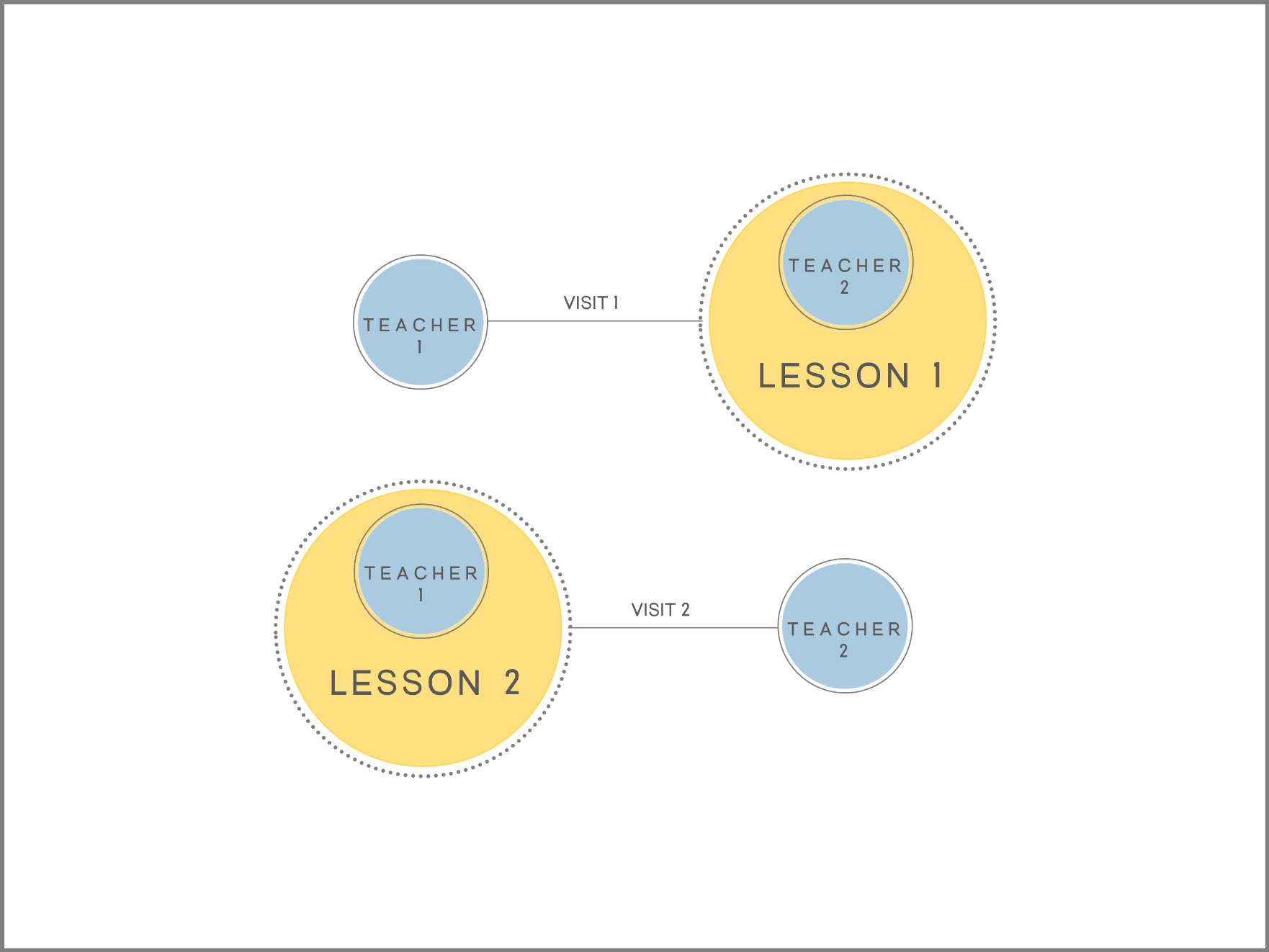
Phase 2: Observation
Teachers observe each other’s lessons. Learning visits are prearranged and calendared. Visits are learning focused; both in terms of the professional learning of participating teachers and the learning of students. A spirit of experimentalism is encouraged. Observers consider the extent to which teaching strategies elicit evidence of student learning in the focus area. Criteria of judgement are discussed prior to the visit and agreed by teachers.
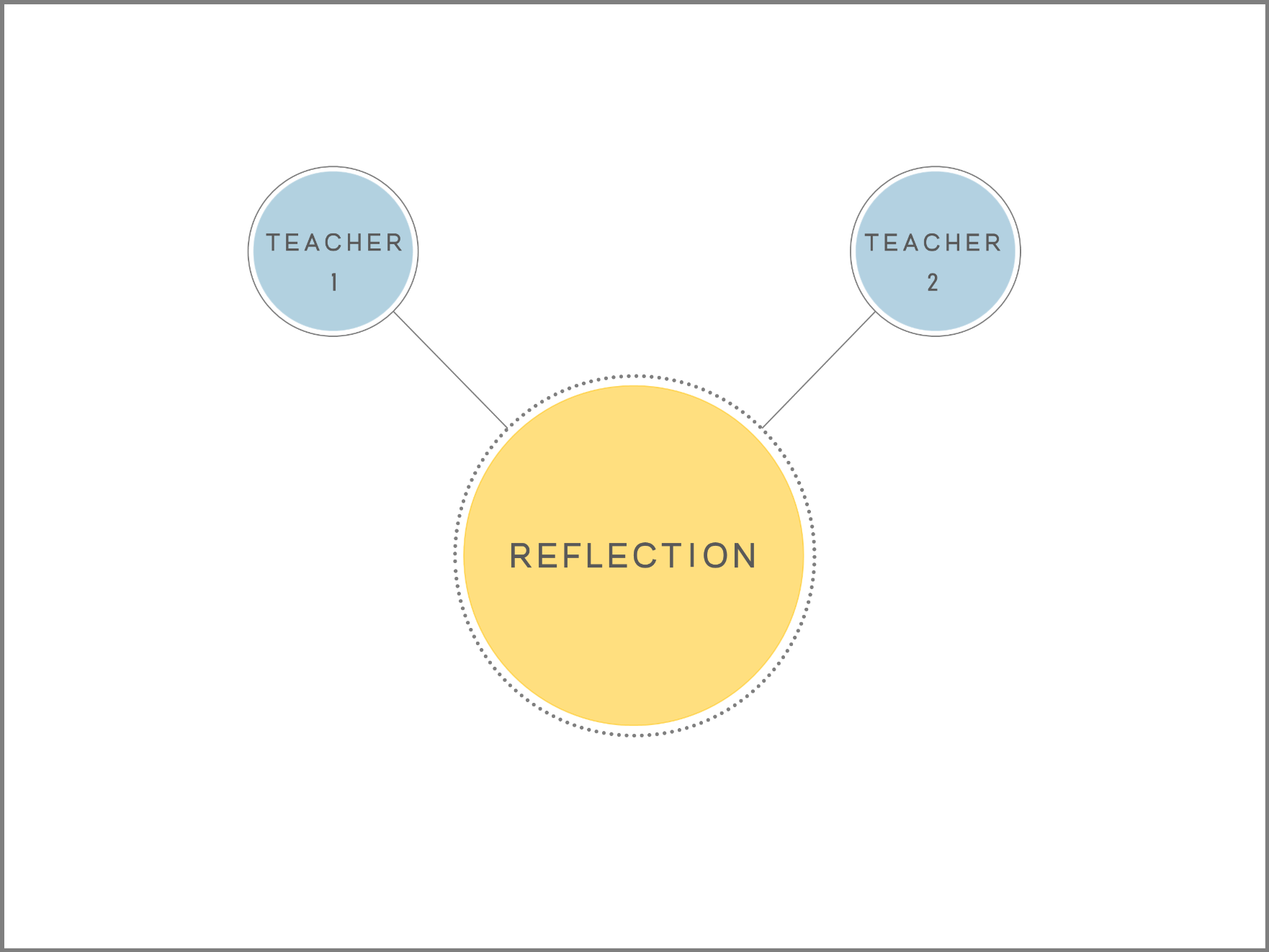
Phase 3: Critical Reflection and Review
Teachers meet to reflect critically and collaboratively on the lessons observed. Consideration of the effectiveness of pedagogical approaches employed and curricular materials used will be central to this discussion. Dialogue should focus on evidence of learning. The above will be subject to evaluation by participating teachers. Prompts and templates are available to support this process.