OPEN UP CONTENT
What does this mean?
The ways we open up content for students are informed by the educational purposes for which we do so. The content we select for teaching and to which we give shape as teachers, and the examples we choose to enliven that content, reflect decisions regarding the educational value of what we teach, especially in terms of the types of knowledge students ought to acquire and how that knowledge is best demonstrated and assessed.
If we are to activate content so that the educational purpose of what is taught can be realised by our students, then learning materials must be developed and presented in ways that both deepen and extend students’ knowledge over time.
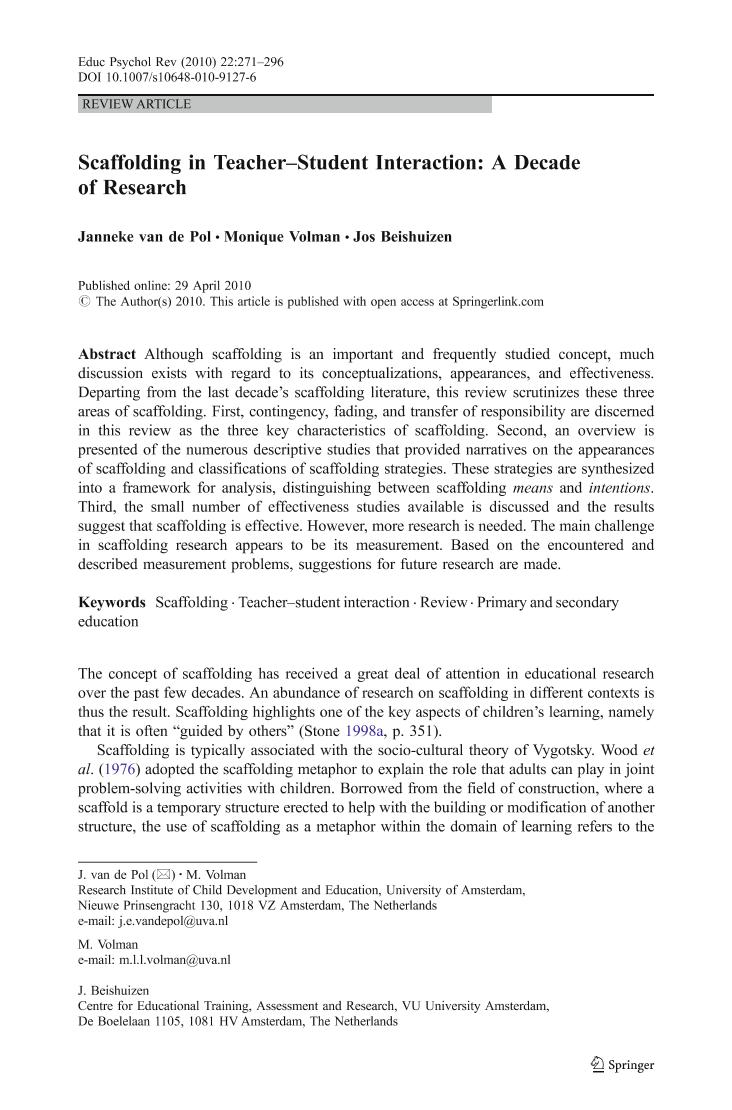
To open content up, therefore, is at once to break it down by modelling and explaining ideas and providing appropriate scaffolds that enable all students to engage in learning that is both meaningful and progressively challenging.
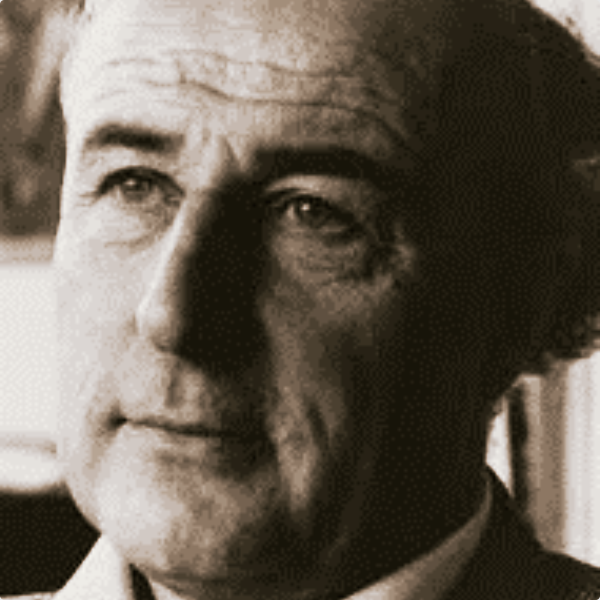
The principal purpose of instructional preparation can be summarized as follows: Preparation is intended as the design of one or several opportunities for children to make fruitful encounters with certain contents of education.
Wolfgang Klafki
Why is this important?
TO OPEN UP CONTENT IS TO:
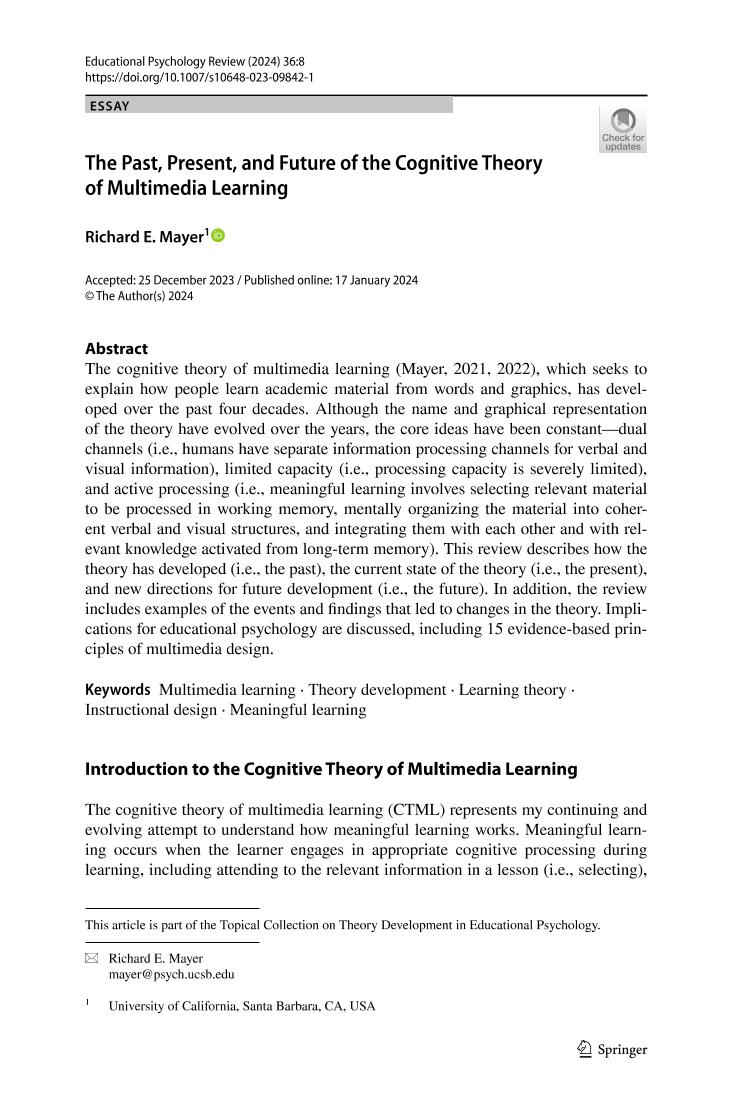
- 'Unlock' the 'educational potential' and 'transformative possibilities' of content (Deng, 2025).
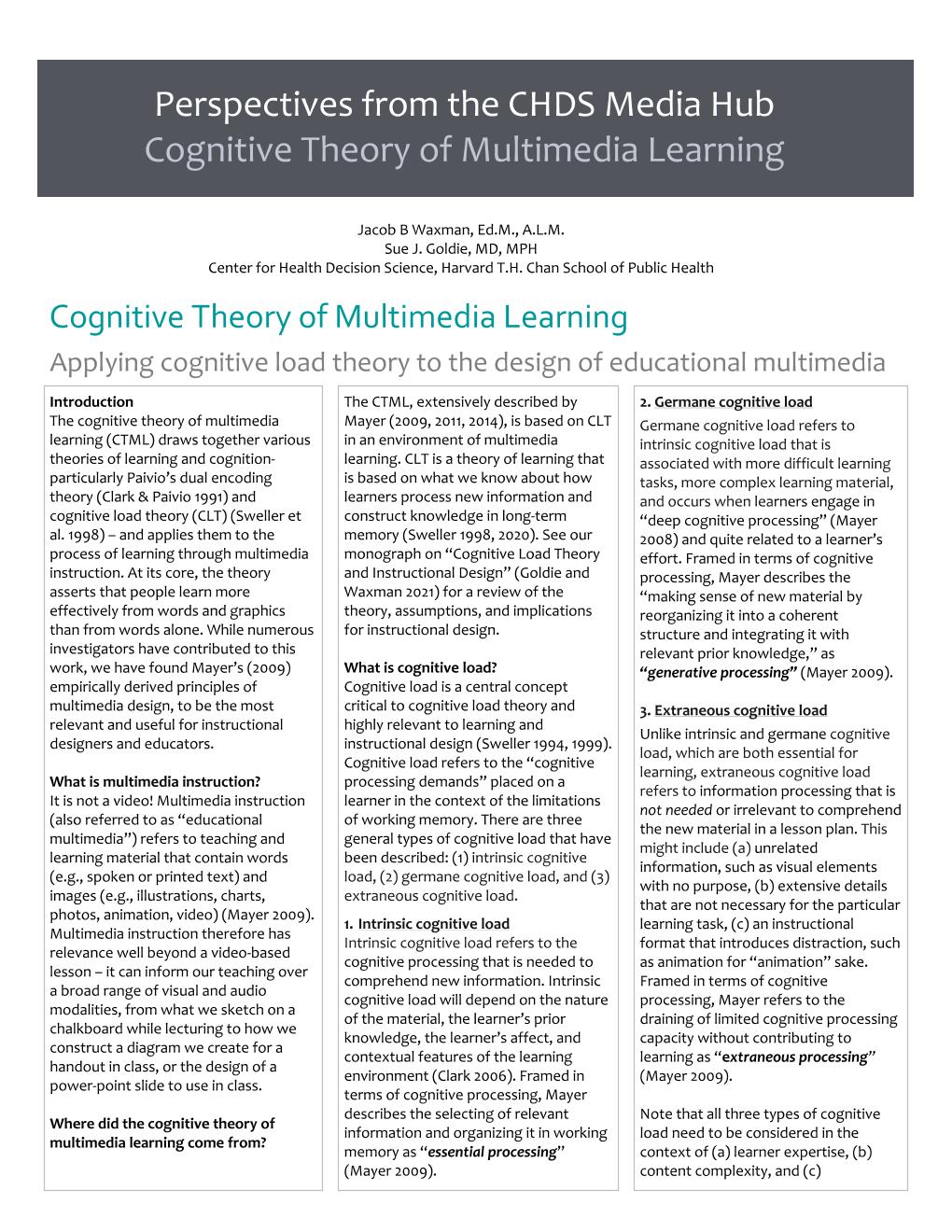
- Support the building of dynamic mental models (schemas) that help students to connect new information with what they already know.
- Sequence material in ways that facilitate the process of knowledge integration by carefully structuring content and chunking information.
- Assist students to make sense of material and construct meaning.
- Consider the 'exemplary significance' of subject matter and its future relevance to students (Klafki, 1995).
- Provide explanations and examples that enable students to develop conceptual understanding.
- Demonstrate skills and processes that promote the development of procedural knowledge in students.
- Frame questions that elicit students' thinking and encourage enquiry.
- Explore those big ideas and concepts that 'anchor' understanding in a subject (Wiggins & McTighe, 2005).

Curriculum processes do not stop at the classroom door as teaching begins. Rather, the interpretative processes - which I take to be the essence of the curriculum - continue to occur as teachers engage in designing events, bringing them to life with groups of students, monitoring their progress and judging student products. What teachers uniquely bring to the table is situated event knowledge of the curriculum.
Walter Doyle

Debates concerning quality in teaching must remain firmly rooted in the curriculum. In other words, although conceptually the domains of curriculum (what should we teach?) and pedagogy (how should we teach?) are distinctive, in practice the distinctions need to be blurred - perhaps the key point made in describing teachers as 'curriculum makers'.
David Lambert