EXPLORE CONNECTIONS IN LEARNING
What does this mean?
At a basic level, students make sense of content by connecting what they know (their prior learning) with new information. This process involves linking ideas and concepts in ways that enable students to integrate knowledge and develop understanding. As teachers, it is important that we model this process for students and engage them in thinking explicitly about links in their learning. This can be facilitated by representing connections visually and mapping the links between ideas, themes and topics, for example, through dual coding and the use of diagrams and graphic organisers more generally.
Although subject knowledge can be enhanced in these ways, many topics we teach are interlinked and provide a context for interdisciplinary learning. This form of learning is most meaningful when students are taught how to apply and combine knowledge from two or more disciplines to answer a ‘big question’ or generate solutions to a complex problem.
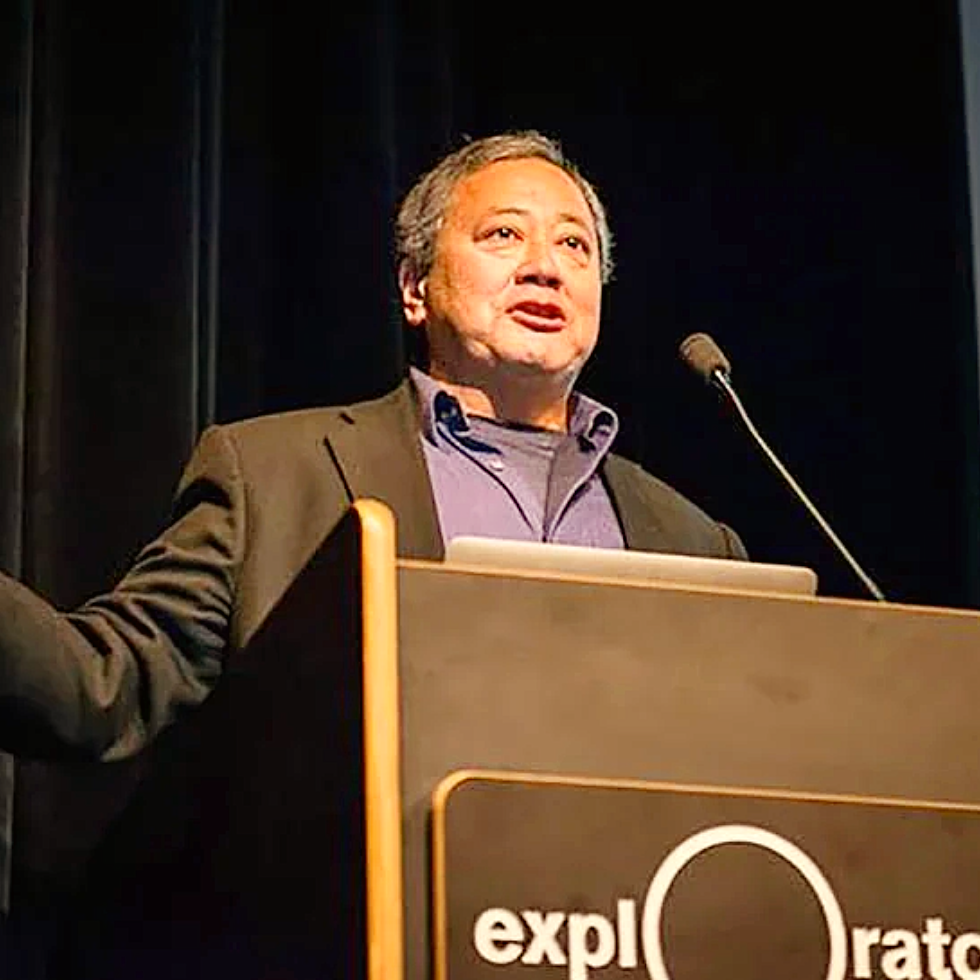
For effective conceptual learning, we must work to categorize and organize new information to determine how new facts and information fit into existing schemas. The links that we create between new information and existing knowledge are as important as the new information itself.
Arthur Shimamura
Why is this important?
TO EXPLORE CONNECTIONS IN LEARNING WITH STUDENTS IS TO:
- Enable students to make links between their prior knowledge and new information.
- Help students to process information and facilitate the retention and retrieval of knowledge.
- 'Broaden and deepen' students' understanding by enlarging their perspective on the world (Beane, 1995).
- Enhance appreciation for the disciplinary foundations of knowledge.
- Reflect on the relationship between subjects and question the ways in which knowledge is produced and applied.
- Practise thinking across subject boundaries by engaging with cross-cutting themes.
- Foster students' capacity to think critically and problem solve by combining ideas and synthesising information.
- Marshal 'disciplinary insights' in the service of interdisciplinary understanding (Boix Mansilla, 2010).
- Integrate knowledge to achieve a comprehensive understanding of a problem (Repko, 2017)

Interdisciplinary learners integrate information, data, techniques, tools, perspectives, concepts, and/or theories from two or more disciplines to craft products, explain phenomena, or solve problems, in ways that would have been unlikely through single-disciplinary means.
Veronica Boix Mansilla
How can this be applied in practice?
Revisit prior learning to connect new knowledge with what students already know and understand. Explore these connections with students to enable them to make sense of their learning by linking key terms, ideas and concepts in meaningful ways.
Encourage students to identify and map connections in their learning. Teach students how to represent these connections visually, perhaps through the use of graphic organisers or diagrams. Create space for this as part of your lesson planning and through the ways you adapt your teaching in response to students’ thinking in class.
Teach students relevant vocabulary to explain connections in their learning. Talk students through the process of making connections as you model and exemplify this in class. Use prompts to facilitate this process and promote metacognition. For example: ‘How are the connections between these ideas best represented graphically?’, ‘How can we show the links between themes here?’.
Use thinking routines and protocols (MTV) to develop students’ capacity to make connections in their learning (for example: 'Connect, Extend, Challenge'; 'See, Wonder, Connect'; 'Same, Different, Connect, Engage').
Teach students to think and act like a ‘scientist,’ ‘mathematician,’ ‘artist,’ etc. Model these ways of being for students and narrate your thought process as you do so. Where connections between topics are made (for example, in treating a problem or concept held in common), highlight the contribution made by your subject to build disciplinary understanding.
Enable students to make meaningful connections between their skills and the world of work as an integral part of their learning in your subject.
Design tasks that engage students in thinking about complex problems that require them to apply their understanding in unfamiliar contexts and combine ideas in new ways.
Collaborate with other teachers to plan learning that develops students’ capacity to think in interdisciplinary ways. For example, identify bridging concepts and themes that support knowledge integration across subject boundaries and deepen understanding.
Reinforce the links between the big ideas, core concepts and big questions used to organise subject content. Provide visual cues and signposts to emphasise these connections.