CULTIVATE CURIOSITY
What does this mean?
Curiosity can be defined as a desire to know or find out about something. As such, curiosity contributes to learning because it is a type of exploratory behaviour characterised by inquisitiveness.
In the classroom, curiosity is often expressed through the asking of questions. In this regard, curiosity drives enquiry by sparking students’ interest in learning and stimulating their desire to seek and acquire knowledge.
Curiosity is linked to motivation. Students who are curious are more likely to be motivated to learn and to persevere with their learning.
The cultivation of curiosity in the classroom can inspire both the pursuit of knowledge and the questioning of knowledge claims, awakening critical awareness in students of the conditions of knowledge production and the historical, social and environmental contexts in which they live.

Curiosity as restless questioning, as movement toward the revelation of something hidden, as a question verbalised or not, as search for clarity, as a moment of attention, suggestion, and vigilance, constitutes an integral part of the phenomenon of being alive. Curiosity does not automatically become critical. One of the essential tasks of education is the promotion of a curiosity that is critical, bold, and adventurous.
Paulo Freire
Why is this important?
CURIOSITY:
- Stimulates a desire to know more about a subject and learn new things.
- Focuses the attention of students and aids concentration.
- Motivates students to learn by inspiring interest in subject content.
- Prompts students to take interest in each other’s views, promoting a classroom culture of dialogue and respect for diversity.
- Makes the process of thinking more pleasurable and thus facilitates problem solving.
- Is arguably a key determinant in academic performance, along with effort and general intelligence (von Stumm, 2011).

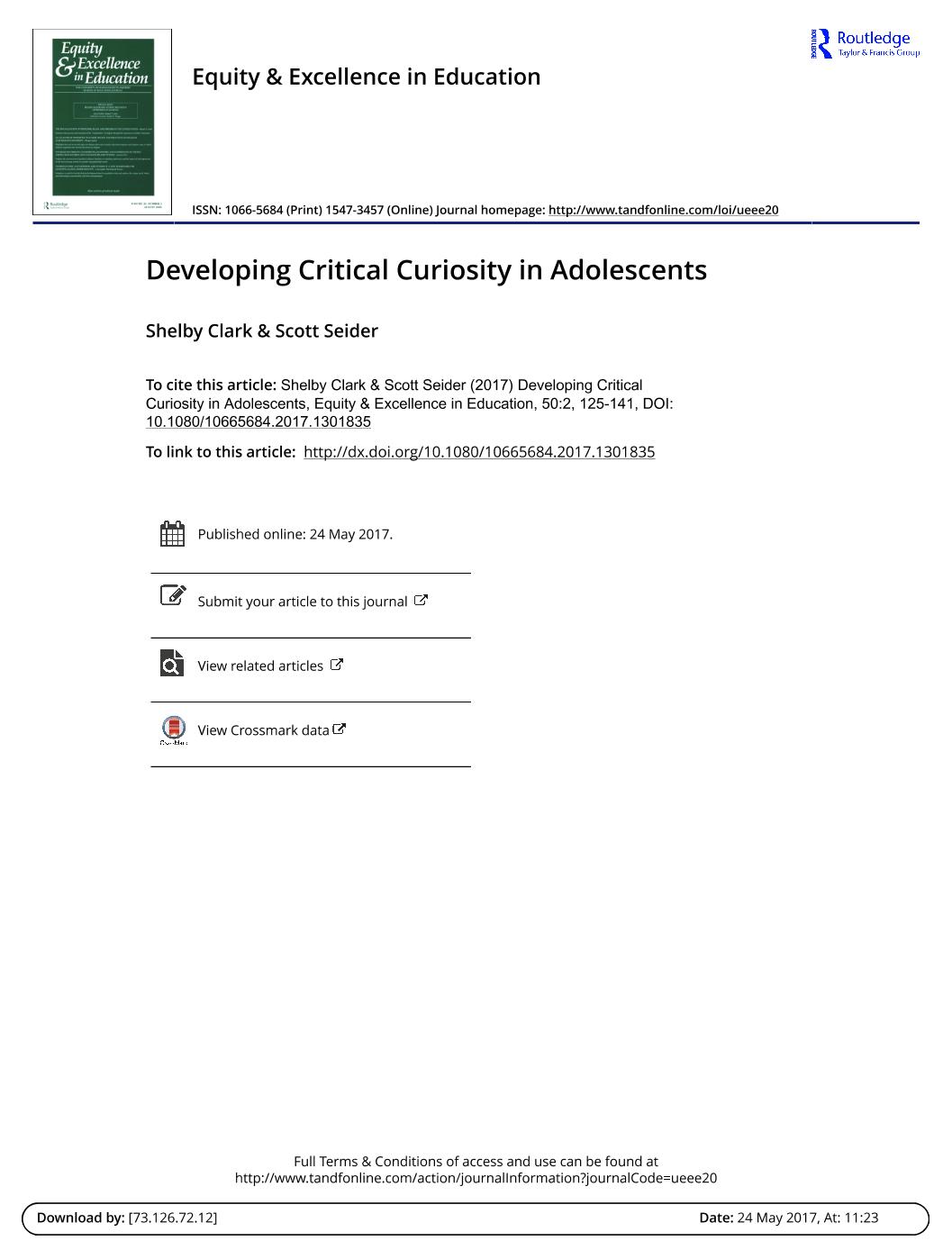
People are naturally curious, but curiosity is fragile. ... Our curiosity is provoked when we perceive a problem that we believe we can solve. What is the question that will engage students and make them want to know the answer?
Dan Willingham
How can this be applied in practice?
MAKE THE FAMILIAR STRANGE FOR STUDENTS
Present familiar content in unfamiliar ways to encourage the imaginative reframing of material and the reconstruction of knowledge. Practise defamiliarisation by presenting objects and ideas in ways that challenge students' perceptions of the world, foster open-mindedness and encourage a shift in perspective.
ENCOURAGE CURIOSITY ABOUT LANGUAGE
Explore the meaning and origin of words with students. Introduce students to unfamiliar words to stimulate their interest in language.
USE ARTEFACTS TO PROMOTE STUDENT ENQUIRY
Use high quality learning materials and artefacts to elicit student interest and promote enquiry. Consider presenting these materials as part of a classroom thinking routine. Where appropriate, plan learning episodes around ‘curriculum artefacts’ to promote engagement in learning and deepen understanding.
DEVELOP A BROAD REPERTOIRE OF QUESTIONS
Broaden the repertoire of questions you use to check for understanding during lessons to ensure students can recall relevant knowledge and also think in more exploratory ways. Encourage students to make connections in their learning by combining ideas that build on their prior knowledge.
PROVOKE WONDER TO STIMULATE INTEREST
Plan questions that make students think deeply and organise lesson content around these. Identify content most likely to provoke wonder and stimulate interest in learning. Select examples that promote questioning. Scaffold the enquiry process by providing students with prompts to develop their capacity to question and communicate clearly.
MODEL CURIOSITY IN CLASS FOR STUDENTS
Model an enquiring attitude in class. Demonstrate curiosity for students by questioning aloud and narrating your thought process during lessons. Recognise curiosity in students and acknowledge this through feedback you give. Celebrate student questions and make these visible by recording and displaying them in class.
PLAN LEARNING THAT INVOLVES SURPRISE AND UNCERTAINTY
Plan learning scenarios that involve elements of novelty and uncertainty. Ask students to make predictions and draw inferences by presenting them with partial or incomplete information. Again, encourage students to ask questions like “What might happen if?” and “What can be predicted?” to support this process.
EMPHASISE THAT KNOWLEDGE IS INCOMPLETE
Develop students’ desire to learn by emphasising the incompleteness of knowledge in your subject. Present questions that are unanswered as opportunities for further enquiry.
TEACH STUDENTS TO LISTEN TO ONE ANOTHER
Teach students to listen carefully to one another in class and to take interest in each other as learners. Practise peer questioning routines around this (“What makes you say this?”, “Why do you think this?”, “Why did you go about it like that?”).
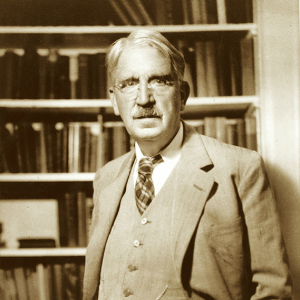
With respect then to curiosity, the teacher has usually more to learn than to teach. Their task is to keep alive the sacred spark of wonder and to fan the flame that already glows. Their problem is to protect the spirit of enquiry, to keep it from becoming blasé from overexcitement, wooden from routine, fossilized through dogmatic instruction, or dissipated by random exercise upon trivial things.
John Dewey
What educational research informs this aspect of core practice?
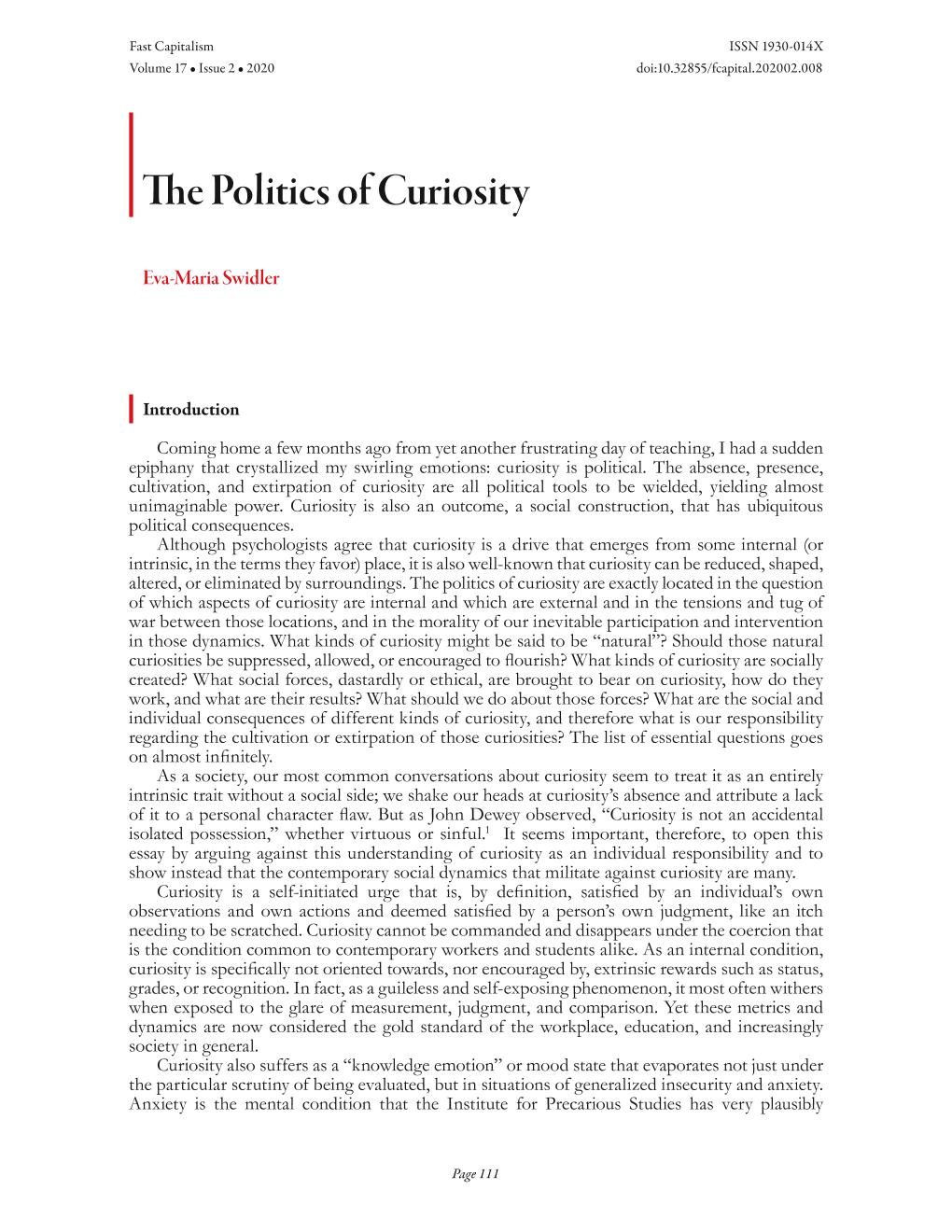
THE DEVELOPMENT OF CRITICAL CURIOSITY


CURIOSITY AND COGNITIVE SCIENCE


See especially Chapter 2, 'M is for Motivate', where Shimamura discusses the role of curiosity in a classroom context.